
Category: Latest News | By Skoo.in Desk | April 22, 2026
US-Iran War: That Didn’t Stay Regional. Some wars redraw borders,0thers redraw everyday life.
The US-Iran war:2026 did something far more unsettling—it rewired the global economy, rattled energy markets, triggered migration shocks, and quietly entered kitchens from Chandigarh to Chennai.
What began as precision airstrikes escalated into a 53-day geopolitical earthquake. Oil surged past $120, the Strait of Hormuz turned into the world’s most dangerous chokepoint, and global supply chains cracked under pressure.
This wasn’t just a Middle East crisis. It became a global stress test—and India felt it in fuel bills, grocery prices, and job security.
The Slow Burn That Exploded
The roots of the war stretch back years:
- Iran’s nuclear program crossed red lines with near weapons-grade enrichment
- The 2025 mini-war between Iran and Israel left unfinished business
- Sanctions crippled Iran’s economy, triggering mass protests in early 2026
- The US ramped up military presence across the Gulf
By February 28, 2026, tensions snapped.
A coordinated US-Israeli strike targeted nuclear and leadership sites inside Iran—marking the most aggressive Western action against Tehran in decades.
The Trigger: A Decapitation Strike
The opening strike wasn’t symbolic—it was surgical and devastating.
Key Iranian military and political nodes were hit within hours. The leadership vacuum that followed created internal chaos, weakening centralized command and empowering hardline factions.
This vacuum would later become one of the biggest obstacles to peace.
Iran Strikes Back: Missiles, Drones, and Maritime Warfare
Iran’s response to the initial strikes was swift, coordinated, and designed to signal both military capability and strategic intent. Within hours, Tehran shifted from shock to retaliation—launching a multi-layered counteroffensive that combined missiles, drones, and maritime disruption.
Ballistic Missile Barrage: Scale and Reach
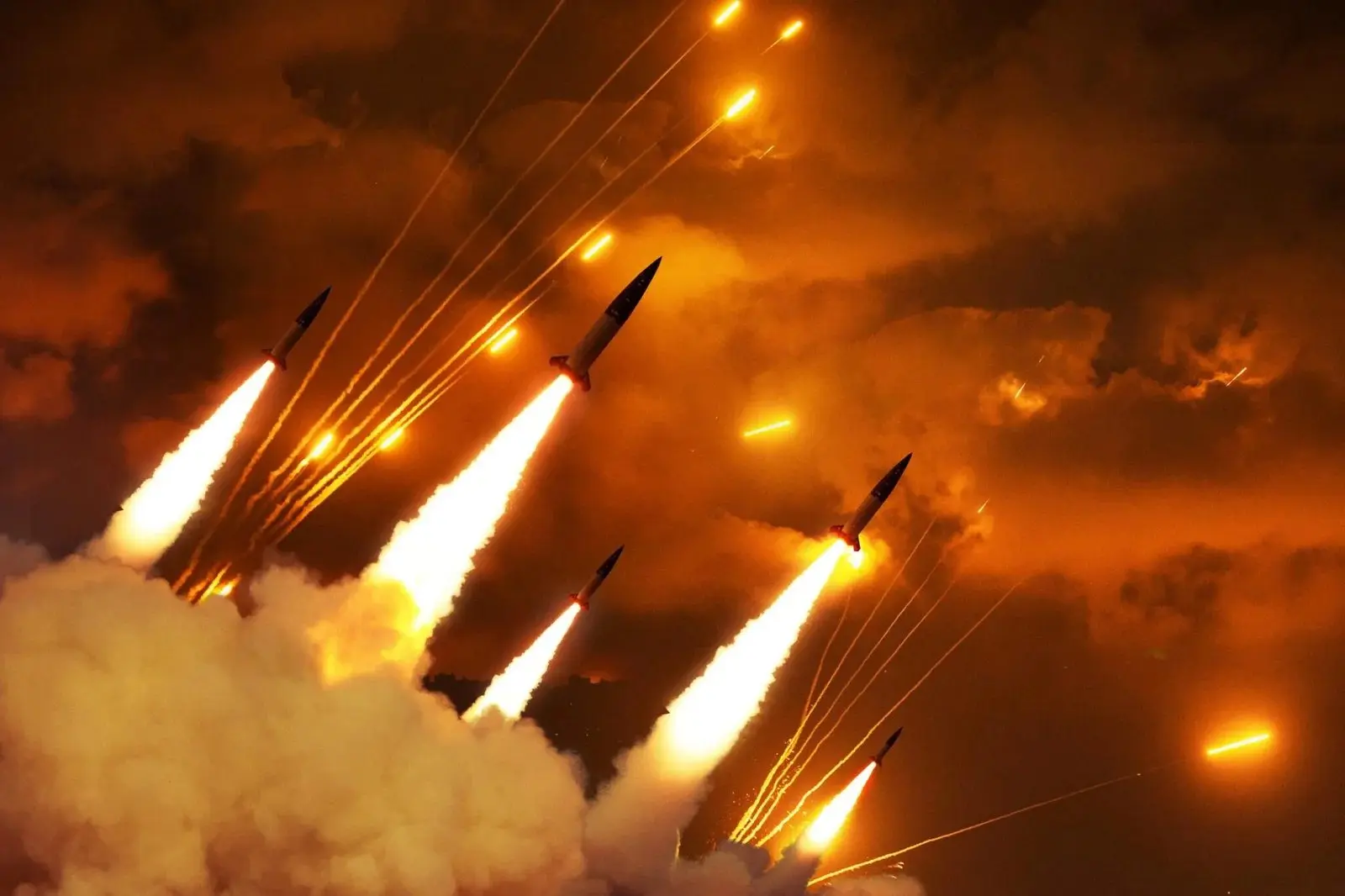
Iran deployed a wide range of short- and medium-range ballistic missiles, targeting both military and symbolic locations.
- Hundreds of missiles—including Fateh and Zolfaghar-class systems —were launched toward Israel and US-linked bases
- Key targets included airbases, logistics hubs, and radar installations
- Missile trajectories were designed to overwhelm air defense systems through saturation attacks
- Even with interception systems active, several projectiles penetrated defenses, causing infrastructure damage.Iran’s missile doctrine focuses on volume over precision, aiming to exhaust enemy defenses rather than rely on single high-accuracy strikes.
Drone Warfare: Low-Cost, High-Impact Strategy
Alongside missiles, Iran deployed large numbers of unmanned aerial vehicles (UAVs), including loitering munitions.
- “Kamikaze drones” were used to target energy facilities and military assets
- Drone swarms were launched in waves to confuse radar systems
- Low-altitude flight paths made detection more difficult
- These drones are significantly cheaper than missiles, allowing sustained attacks over time
According to assessments by the Center for Strategic and International Studies, drone warfare has become one of the most cost-effective tools in modern conflicts.
This tactic demonstrated how asymmetric warfare can challenge technologically superior opponents.
Maritime Warfare: The Real Strategic Pressure Point
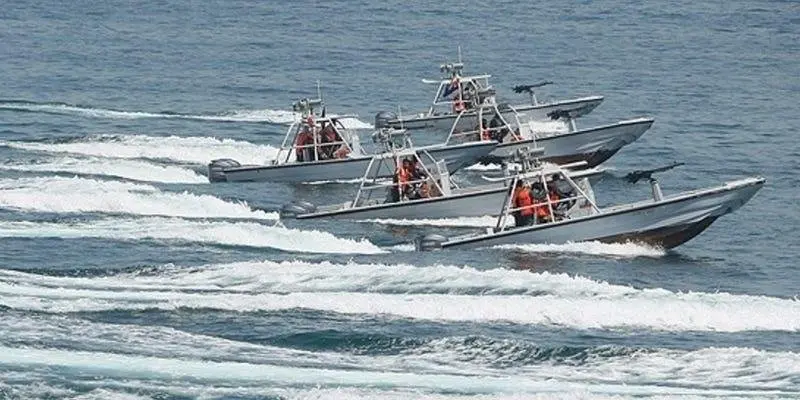
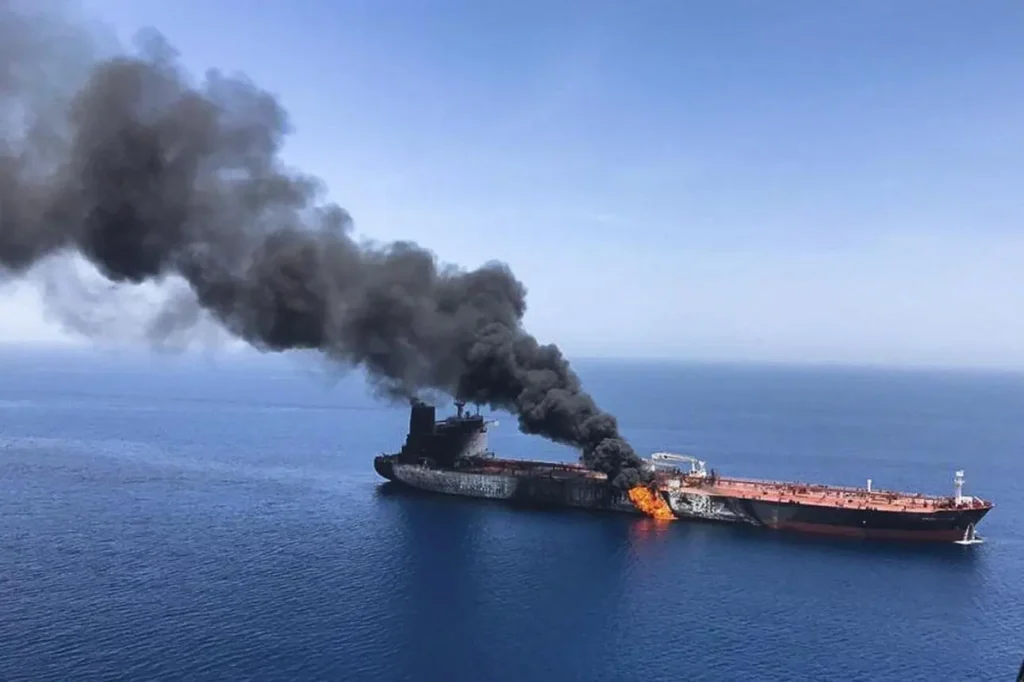
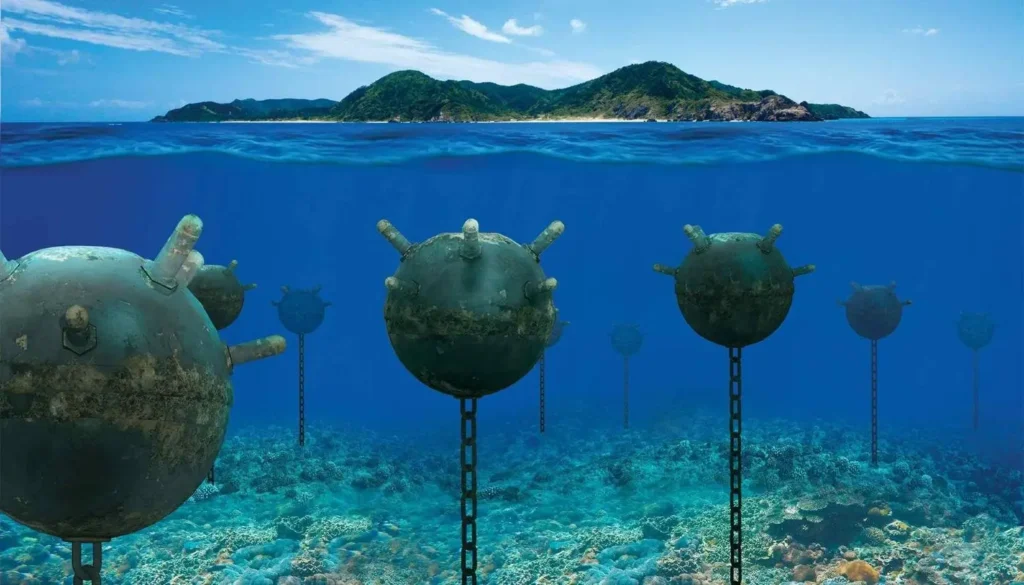
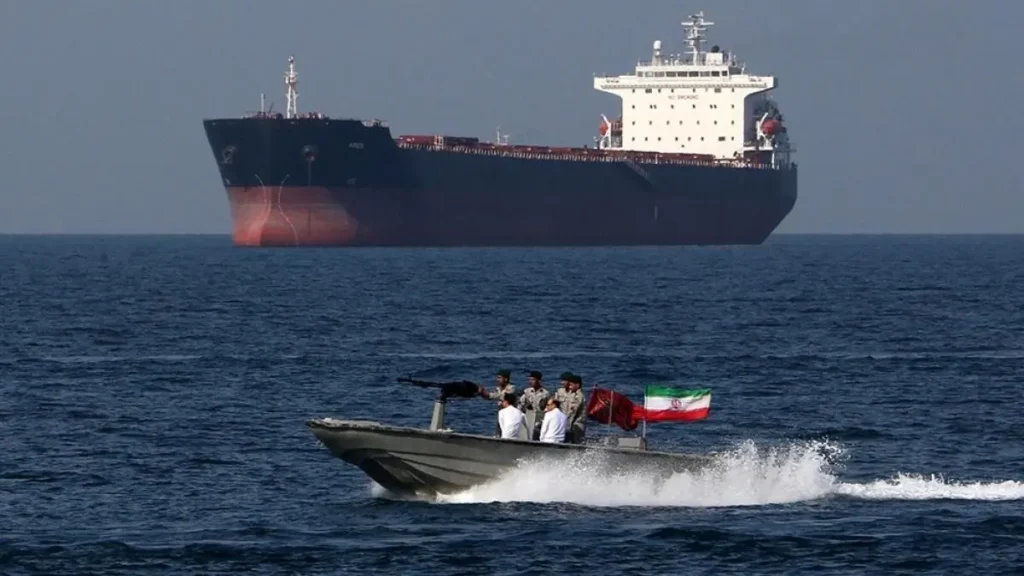


While missile and drone strikes grabbed headlines, Iran’s most powerful lever was maritime disruption—particularly in and around the Strait of Hormuz.
Key Maritime Actions
- Fast attack boats from the Islamic Revolutionary Guard Corps (IRGC) harassed and intercepted commercial tankers
- Naval mines were reportedly deployed in critical shipping lanes
- Several oil tankers were temporarily seized or redirected
- Warning shots and drone surveillance created constant pressure on shipping traffic
Energy Infrastructure Targeting
Iran’s strategy extended to energy systems—the backbone of the global economy:
- Oil storage facilities and export terminals in the Gulf region were hit or threatened
- Pipeline operations faced disruptions due to security risks
- LNG export terminals slowed or halted operations temporarily
- Insurance premiums for oil shipments surged due to increased risk
According to global reports, energy infrastructure has become a primary target in modern conflicts because it delivers maximum economic impact with limited military engagement.
Why Geography Became Iran’s Strongest Weapon
Despite its military response, Iran’s most effective advantage was not firepower—but location.
The country sits along one of the world’s most critical energy corridors, giving it strategic leverage over global supply chains.
Strategic Advantages
- Control over access points to the Strait of Hormuz
- Ability to disrupt nearly 20% of global oil trade
- Proximity to major Gulf energy producers
- Capability to escalate or de-escalate pressure quickly
Asymmetric Warfare Doctrine: Playing to Strengths
Iran avoided direct large-scale confrontation with superior US forces. Instead, it relied on:
- Missile saturation tactics
- Drone swarm attacks
- Naval harassment and disruption
- Economic pressure via energy routes
This approach reflects a broader shift in warfare:
Smaller powers increasingly rely on asymmetric strategies to counter technologically advanced militaries.
Conclusion of This Section
Iran’s retaliation was not just about immediate military impact—it was about sending a clear strategic message:
- It can disrupt global energy markets
- It can impose economic costs far beyond the battlefield
- It can sustain pressure without full-scale war
Ultimately, the response showed that in modern conflict:
Control over trade routes and supply chains can be as powerful as missiles and bombs.
The Strait of Hormuz: The World’s Most Dangerous 21 Miles
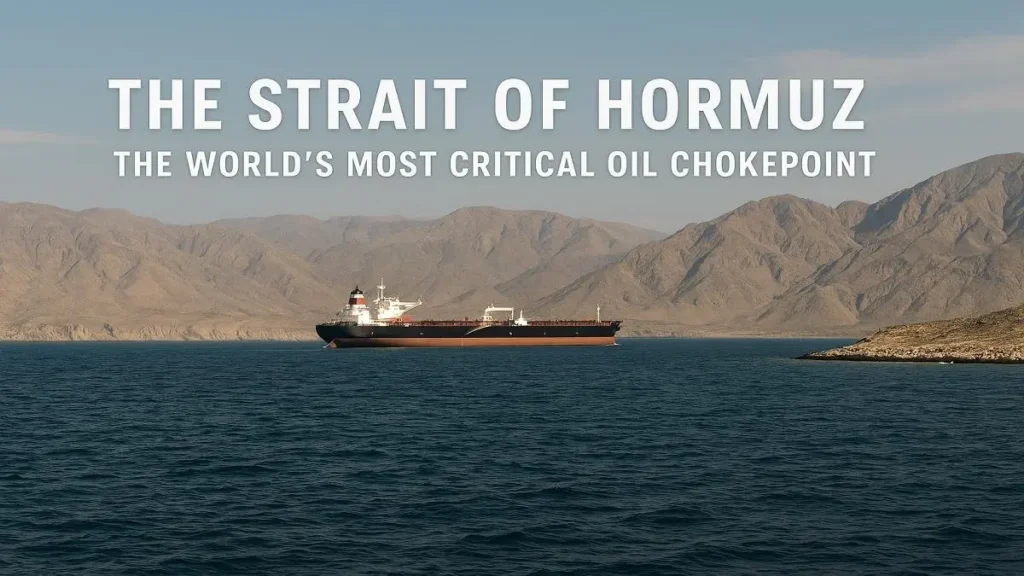

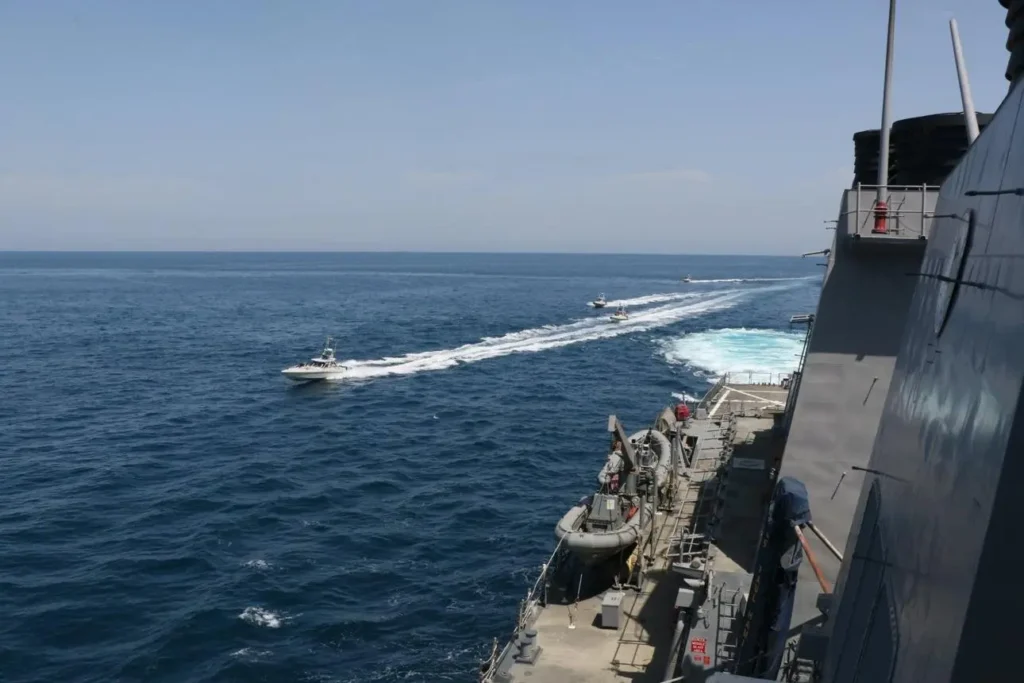


The Strait of Hormuz, a narrow waterway between Iran and Oman, carries:
- ~20% of global oil supply
- ~20% of global LNG
Once disrupted, the global economy started choking.
According to recent analysis, the crisis removed over 12 million barrels per day from supply, making it the largest oil disruption in modern history .
Unlike past oil shocks, this one hit oil, gas, fertilizers, and shipping simultaneously—a rare and dangerous combination.
Global Shockwaves: Markets, Energy, and Supply Chains
The 2026 US-Iran conflict rapidly evolved from a regional military escalation into a global economic disruption, impacting energy markets, financial systems, and supply chains simultaneously. Within days, the ripple effects exposed how deeply dependent the modern world is on a few critical trade routes and energy corridors.
Energy Crisis: A Global Supply Shock


At the center of the crisis lies the Strait of Hormuz—a narrow maritime corridor responsible for a massive share of global energy flows.
Key Energy Disruptions
- Nearly 20% of global crude oil supply faced disruption risks
- Oil prices surged from ~$65 to $120–$130 per barrel within weeks
- Asian LNG spot prices jumped by up to 100%, hitting import-heavy economies hardest
- Shipping delays increased due to rerouting and security concerns
- Refinery throughput in parts of Asia declined due to supply uncertainty
Why This Matters
According to global energy benchmarks, disruptions of even 2–3 million barrels/day can destabilize markets. This crisis threatened over 10 million barrels/day, making it one of the largest supply shocks in decades.
Data Snapshot: Global Impact at a Glance
| Indicator | Before Conflict | During Crisis |
|---|---|---|
| Oil Prices | $65–70/barrel | $110–130/barrel |
| LNG Prices (Asia) | Stable | ↑ 80–100% |
| Tanker Insurance | Normal rates | ↑ 200–300% |
| Global Stock Markets | Stable growth | ↓ 5–8% correction |
| Fertilizer Output | Normal | ↓ 20–30% |
| Food Prices | Moderate inflation | Rising sharply |
Economic Panic: Markets Under Pressure
Financial markets reacted instantly to uncertainty and rising inflation risks.
Market Reactions
- Global indices saw 5–8% declines in early phases
- Investors shifted to safe-haven assets such as gold and the US dollar
- Airline and logistics stocks dropped sharply due to rising fuel costs
- Shipping insurance premiums surged by up to three times
- Central banks postponed expected rate cuts to manage inflation risks
Emerging Market Impact
Countries like India faced:
- Currency depreciation
- Rising import bills
- Capital outflows
This created a feedback loop where higher oil prices → inflation → weaker currency → even higher import costs.
Supply Chain Breakdown: From Energy to Food Inflation
The US-Iran war demonstrated how energy disruptions cascade into broader economic crises.
Key Supply Chain Effects
- Fertilizer production declined due to reduced natural gas availability
- Agricultural costs increased, especially ahead of major crop cycles
- Shipping delays extended delivery timelines globally
- Logistics costs rose sharply, impacting manufacturing and retail
- Food prices increased due to higher input and transport costs
The Domino Effect
Energy crisis → Fertilizer shortage → Lower crop yield → Food inflation
This chain reaction directly impacted billions of consumers worldwide.
Regional Impact: Unequal but Severe
Developing Economies
Asia (Most Vulnerable)
- Heavy reliance on Middle East energy
- Immediate fuel price spikes
- Industrial slowdown
Europe
- Concerns over diesel shortages
- Increased household energy costs
- Inflationary pressure
Developing Economies
- Currency depreciation worsened crisis
- Higher risk of food insecurity
- Fiscal stress increased
India: The Silent Casualty of a Distant War
For India, the 2026 US-Iran conflict may appear geographically distant, but its consequences are immediate and deeply personal. The country’s heavy dependence on energy imports—especially from the Gulf—makes it highly vulnerable to disruptions in the Strait of Hormuz.
Energy Dependence: A Structural Vulnerability
India’s economic exposure to the region is significant:
- Over 85% of crude oil imports come from overseas, with a major share routed through the Gulf
- Nearly 90%+ LPG demand depends on imports
- Around 50% of LNG imports are sourced from Qatar and nearby regions
- A large portion of India’s petrochemical and fertilizer industries relies on Gulf-linked supply chains
According to global energy assessments by the International Energy Agency, even minor disruptions in Gulf supply routes can trigger major price volatility worldwide.
This makes even short-term disruptions extremely costly for the Indian economy.
Immediate Impact on Households and Daily Life
The war’s effects quickly filtered down to everyday expenses:
Domestic LPG cylinder prices increased due to rising global fuel costs. Learn more about this in our detailed guide on fuel price crisis in India.
Petrol and diesel prices surged, raising transportation costs across cities and rural areas, as explained in our article on how rising fuel prices impact daily life.
Public transport fares and logistics charges increased, impacting goods movement and supply chains across the country.
Electricity costs rose in some regions due to higher fuel input prices, adding further pressure on household budgets.
For an average household, this translated into higher monthly expenses and reduced savings.
Agriculture and Food Inflation: A Growing Concern
Energy disruption quickly spilled into agriculture:
- Fertilizer production slowed due to limited availability of natural gas
- Import costs of key inputs increased significantly
- Farmers faced rising cultivation costs ahead of sowing seasons
- Food prices—especially pulses, grains, and edible oils—began trending upward
The Food and Agriculture Organization has repeatedly warned that energy shocks directly influence global food inflation.
This creates a dangerous cycle:
Higher fuel costs → Higher farming costs → Lower margins → Higher food prices
Macroeconomic Pressure: Currency and Growth Risks
The conflict also strained India’s broader economic stability:
- The Indian rupee weakened against the US dollar due to rising import bills
- Foreign investors reduced exposure to emerging markets, causing capital outflows
- The Reserve Bank of India intervened to stabilize currency volatility
- Inflation risks increased, complicating monetary policy decisions
According to reports from the International Monetary Fund, sustained oil price shocks can significantly slow growth in emerging economies.
If prolonged, such conditions can reduce GDP growth and increase fiscal pressure.
Hidden Crisis: Migration and Remittance Shock
One of the most underreported risks is the impact on Indian workers in Gulf countries.
Why It Matters
- Over 8–9 million Indians are employed across the Gulf region
- Annual remittances exceed $100 billion, forming a critical income source
Emerging Risks
- Economic slowdown in Gulf countries may lead to job losses
- Rising geopolitical tensions increase uncertainty for migrant workers
- Reports indicate hundreds of thousands of Indians returning during peak instability
Domestic Impact
- Reduced remittances affect rural economies
- States like Kerala, Uttar Pradesh, Bihar, and Haryana face income stress
- Local consumption declines, impacting small businesses
This transforms a global conflict into a grassroots economic issue within India.
How India Is Responding: Emergency Economic Strategies
To manage the crisis, India is adopting multiple strategies:
1. Diversifying Oil Sources
- Increasing imports from Russia
- Exploring Africa and Latin America
2. Strategic Petroleum Reserves (SPR)
- Using emergency reserves to stabilize supply
- Planning expansion of storage capacity
3. Renewable Push Acceleration
- Solar and green hydrogen projects gaining urgency
- Reducing long-term dependence on Gulf energy
4. Diplomatic Balancing
India is maintaining neutrality while:
- Protecting shipping routes
- Engaging with both US and Iran
Why Peace Talks Are Failing in the US Iran War 2026
- Recent reports suggest a fundamental deadlock:
- The US wants complete nuclear rollback
- Iran refuses to compromise, believing it can outlast pressure
Iran sees its control over Hormuz as leverage—what some call its “golden asset” in negotiations . - Meanwhile:
internal divisions weaken Iran’s negotiating power .
The military (IRGC) often contradicts civilian leadership Mixed signals create global uncertainty
Pakistan’s Unexpected Rise as a Power Broker in US-Iran war:2026
Amid escalating tensions, Pakistan emerged as one of the most unexpected diplomatic players in the crisis.
Why Pakistan Became Central
Pakistan’s strategic positioning allowed it to act as a bridge between competing powers:
- Maintains working relations with the United States
- Shares a border and diplomatic channels with Iran
- Strong ties with Gulf nations such as Saudi Arabia and Qatar
- Close strategic partnership with China
This unique combination gave Islamabad a rare opportunity to mediate.
Diplomatic Role in the Crisis
Under the leadership of Shehbaz Sharif, Pakistan:
- Facilitated indirect communication between opposing sides
- Hosted and supported backchannel negotiations
- Coordinated with Gulf states to reduce escalation risks
Its approach focused on de-escalation, regional stability, and diplomatic engagement.
Global Implications of Pakistan’s Role
Pakistan’s involvement reshaped perceptions in global diplomacy:
- Elevated its image as a neutral mediator
- Strengthened its geopolitical importance
- Opened doors for future economic and strategic partnerships
However, the role also carries risks, as prolonged conflict could strain its relations with neighboring countries.
Conclusion of This Section
India’s experience in this conflict highlights a crucial reality:
- Geographic distance does not guarantee economic safety
- Energy dependence translates into vulnerability
- Global conflicts can directly impact domestic stability
At the same time, Pakistan’s emergence as a mediator shows how rapidly geopolitical roles can shift during crises.
In today’s interconnected world, no country remains untouched by conflict—only the degree of impact differs.
Economic Warfare: Blockades and Financial Pressure
The US strategy has shifted toward economic strangulation:
- Naval blockades restricting Iranian trade
- Oil exports severely disrupted
- Iran reportedly losing hundreds of millions daily
But Iran still holds key lifelines:
- Oil exports via alternative routes
- Floating reserves stored offshore
This creates a prolonged stalemate rather than a quick resolution.
Three Possible Endgames
1. Grand Deal (Low Probability)
- Iran agrees to nuclear limits
- Hormuz fully reopens
- Oil stabilizes
2. Prolonged Stalemate (Most Likely)
- Partial ceasefire
- Controlled shipping through Hormuz
- High but stable oil prices
3. Full Escalation (Worst Case)
- Renewed attacks
- Complete Hormuz shutdown
- Global recession
The Bigger Picture: A New Kind of War
This conflict revealed a new reality:
- Wars today don’t just destroy cities
- They disrupt systems—energy, finance, food
Unlike past conflicts, this one intertwined:
- Oil markets
- Supply chains
- Migration flows
- Global inflation
Conclusion: This War Is Already Inside Your Home
This war is not just about missiles, borders, or diplomacy.
It is about:
- The extra ₹60 you pay for LPG
- The rising cost of vegetables and dal
- The uncertainty faced by families dependent on Gulf income
The 2026 US-Iran conflict has shown that globalization connects crises faster than ever before.
A disruption in the Middle East now reshapes:
- Indian households
- European industries
- Asian economies
The real question is no longer “Will the war spread?”
It is:
How much more will it cost you if it doesn’t stop?
Will leaders choose compromise—or will the next escalation hit even closer to home?
From drone strikes to naval blockades, the 2026 US-Iran war has proven one thing:
Geopolitics is no longer distant.
When the Strait of Hormuz closes:
- Your fuel bill rises
- Your LPG cylinder gets expensive
- Your grocery budget shrinks
This is not just about missiles or diplomacy.
It’s about:
- The cost of cooking gas
- The price of dal
- The stability of jobs abroad
The world now waits on fragile questions like this:
Frequently Asked Questions (FAQs)
Q1. Why is the Strait of Hormuz so important?
Because nearly 20% of global oil and LNG passes through it, making it the world’s most critical energy chokepoint.
Q2. How does the US-Iran war affect India directly?
It impacts:
- Fuel prices
- LPG costs
- Food inflation
- Jobs of Indians working in Gulf countries
Q3. Can this war cause a global recession?
Yes, if oil prices cross $140+ and supply disruptions continue, it could trigger a global economic slowdown.
Q4. Why are oil prices rising so fast?
Because supply routes are disrupted, shipping risks increase, and global demand remains high.
Q5. Is a ceasefire likely soon?
Currently uncertain due to:
- Political divisions in Iran
- Strong US demands
- Strategic importance of Hormuz
Very intellectual summary about US-Iran war👍
Good Work! Nice website